

The thrill of the casino: What makes gambling so addictive?
The Psychology Behind Gambling Addiction
Gambling addiction often originates from the psychological thrill that the activity provides. This excitement is primarily due to the unpredictable nature of outcomes, which keeps players on the edge of their seats. The anticipation of substantial wins, paired with the risk of losses, creates a rush that many find irresistible, similar to the experience one might find at the best online casino , where excitement is amplified by various gaming options. This adrenaline rush can trigger the brain’s reward system, making the experience feel rewarding, even when losses accumulate. Understanding this psychological aspect is crucial in grasping why gambling becomes an addictive pursuit for many individuals.
The “near-miss” phenomenon plays a significant role in perpetuating gambling habits. Players frequently encounter outcomes that closely resemble a win, which can maintain the cycle of play. This illusion of proximity to winning fosters a false sense of hope, encouraging gamblers to persist, believing that a significant win is just within reach. Each near-miss activates dopamine release in the brain, reinforcing the behavior and increasing the likelihood of returning to play, despite ongoing losses. This neurological response can create a powerful compulsion to gamble.
Furthermore, the social aspect of gambling cannot be overlooked. Many individuals are drawn to casinos not just for the games but for the communal experience. The atmosphere of celebration during wins or the support offered during losses creates a bonding experience that reinforces continued play. The allure of social interaction, combined with the thrill of chance, appeals to various psychological needs, making gambling an enticing activity for a diverse group of people.
The Role of Environment in Gambling Experience
The environment of a casino is meticulously crafted to enhance excitement and encourage prolonged play. Bright lights, captivating sounds, and the presence of fellow players create a stimulating atmosphere that draws individuals in. This sensory overload keeps players engaged and focused on the thrill of the game, often leading them to lose track of both time and money spent. The immersive design of casinos aims to distract from the potential risks associated with gambling, making it easier for individuals to become engrossed in the experience.
Additionally, the physical layout of a casino is strategically planned to promote gambling. Games are often arranged in a manner that encourages exploration and movement, facilitating easy transitions from one game to another. This design can instill a sense of urgency, compelling players to try their luck across multiple games without considering their financial limits. The constant availability of various games enhances the likelihood of extended gambling sessions, further contributing to the addictive nature of the environment.
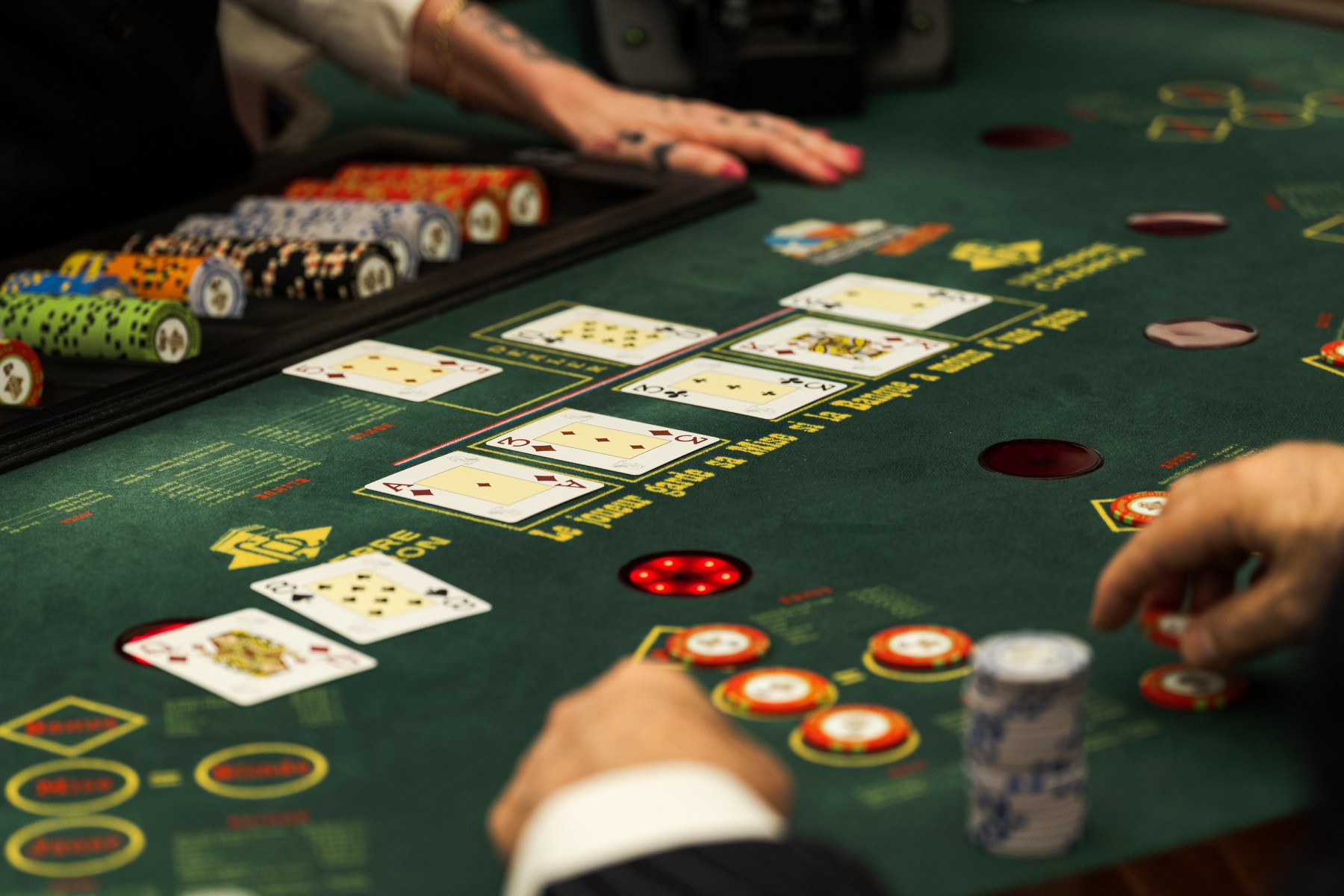
The psychological tactics employed in casino design extend to aspects such as the absence of clocks and windows, which prevents players from maintaining awareness of time. This design choice contributes to longer gambling sessions, as individuals become engrossed in the activities around them. The provision of complimentary drinks can further diminish awareness of money spent, promoting a carefree attitude towards gambling losses. Such tactics create an environment that fosters an addictive gambling culture where excitement often overshadows caution.
The Impact of Rewards and Incentives
Rewards play a pivotal role in the addictive nature of gambling. Casinos frequently implement loyalty programs to incentivize players to return and spend more money. These programs typically offer bonuses, comp points, and free plays, which can create a false sense of value. Gamblers may perceive that they are gaining something beneficial with every visit, leading them to overlook their losses. Over time, this illusion of profitability can solidify gambling habits, making it increasingly difficult to break free from the cycle of addiction.
Jackpots and progressive winnings add another layer of allure to the gambling experience. The potential for life-altering payouts captivates many gamblers, driving them to chase that elusive win. Stories of individuals who hit the jackpot serve as powerful marketing narratives, reinforcing the belief that anyone can achieve wealth through gambling. Such tales can foster unrealistic expectations about winning, prompting players to gamble more frequently in hopes of mirroring those successes.
Moreover, the instant gratification provided by slot machines and electronic games significantly contributes to addictive behaviors. The quick pace of play allows for immediate rewards, stimulating the brain’s pleasure centers. This rapid feedback loop encourages players to keep playing for additional rewards, creating a cycle that can be challenging to break. The combination of tangible rewards and the excitement of winning fosters a gambling culture that thrives on addiction, compelling individuals to continually seek the next thrill.
The Risks and Consequences of Gambling Addiction
Gambling addiction poses significant risks, affecting not only the individual but also their families and communities. Many individuals may begin to experience financial difficulties due to their gambling behaviors, leading to debt and a decline in overall quality of life. These financial strains can cause stress-related health issues, relationship breakdowns, and even legal troubles. Gamblers often find themselves trapped in a cycle of borrowing and loss, perpetuating their addiction and deepening their struggles.

The emotional toll of gambling addiction is profound, as individuals may grapple with feelings of guilt, shame, and isolation. As they chase losses, many develop mental health issues, including anxiety and depression. The stigma associated with gambling can prevent individuals from seeking help, exacerbating their situation. Recognizing these emotional consequences is crucial for effectively addressing and treating gambling addiction, as it highlights the need for compassionate support and understanding.
Moreover, gambling addiction can lead to risky behaviors that impact not only the gambler but also those around them. Families often suffer due to financial stress, leading to conflicts and communication breakdowns. Children in households affected by gambling might experience neglect or emotional distress, with long-term implications for their development. Acknowledging these risks is essential for fostering a more informed perspective on gambling addiction and its repercussions, promoting awareness and proactive measures to combat its effects.
Learn More: A Resource for Gambling Awareness
Understanding gambling addiction and its complexities requires ongoing education and awareness. Our website offers a wealth of resources to help individuals recognize the signs of gambling addiction and seek support. By providing information on responsible gambling practices and strategies for harm reduction, we aim to create a more informed community capable of engaging in meaningful conversations about gambling behaviors. Knowledge is a powerful tool in mitigating the risks associated with gambling.
Our platform not only addresses the psychological and emotional aspects of gambling but also connects individuals with support services and treatment options. From self-help resources to professional counseling, our goal is to empower individuals to take control of their gambling habits and make informed decisions. We believe in the importance of awareness and education as essential tools for prevention and recovery, fostering healthier gambling environments.
Whether you are a gambler seeking help or someone who knows a loved one struggling with addiction, our website serves as a supportive space. Join us in promoting gambling awareness and fostering healthier gaming environments. Together, we can work towards understanding the thrill of gambling while also addressing its potential dangers, ensuring that individuals can enjoy gambling responsibly and with awareness.
