

Exploring the psychology behind casino gambling
The Allure of Chance
The appeal of casino gambling often lies in the thrill of unpredictability. People are inherently drawn to risk-taking behavior, and the potential for a reward amplifies this attraction. Casinos capitalize on this human fascination by creating environments that enhance the excitement surrounding chance-based games, including the best sports betting sites canada that offer diverse betting options. The sensory stimuli provided—such as bright lights, engaging sounds, and attractive designs—serve to activate the brain’s reward pathways, further motivating individuals to participate in gambling activities. This phenomenon leads many people to view gambling not just as a means to an end but as a form of entertainment and escapism.
Moreover, the psychological concept of intermittent reinforcement explains why gamblers may become addicted to games of chance. Unlike fixed schedules of reward, where outcomes are predictable, intermittent reinforcement creates uncertainty around when a reward will occur. This unpredictability can lead to a compulsive cycle where individuals keep returning in hopes of future wins, underscoring the power of hope and anticipation in the gambling experience. This concept reflects the broader human condition: the belief that a significant win is always just around the corner energizes players and keeps them engaged.
The social dynamics of gambling play a critical role in its psychology as well. Players often gather in groups, sharing experiences and narratives that enhance the excitement. This social interaction fosters a sense of belonging and community, which can be particularly appealing for those seeking connection or distraction from life’s challenges. However, this social aspect can lead to peer influences, where individuals may gamble more because of social pressures or the desire to maintain their social standing within a group, reinforcing the cycle of gambling behavior.
The Role of Positive Reinforcement
Positive reinforcement is a key motivator in the psychology of casino gambling. Winning, even if infrequent, provides a dopamine rush that reinforces the desire to gamble. This biochemical response creates a pleasurable association with gambling activities, making it difficult for individuals to resist the lure of the next game. The design features of casinos are crafted to exploit this psychological mechanism—free drinks, complimentary services, and rewards programs serve to enhance the gambling experience and encourage prolonged engagement.
Additionally, the experience of winning—no matter the size of the prize—can create cognitive biases in players. Many gamblers engage in rationalizations that downplay their losses while magnifying their wins. This selective memory contributes to a distorted view of their gambling success, leading individuals to believe they are on a streak or that they can recoup losses through further play. This self-deception can lead to increased gambling frequency and, in some cases, addiction, as players chase the high associated with winning.

The psychological impact of loss aversion also plays a significant role in gambling behavior. People are generally more motivated to avoid losses than to acquire equivalent gains. This principle leads players to gamble in an attempt to recover losses, perpetuating the cycle of gambling despite the odds stacked against them. The emotional toll of this cycle can be profound, as individuals become entangled in a web of financial and psychological consequences that can be hard to escape, demonstrating the complex interplay between emotion and rational decision-making in gambling contexts.
The Illusion of Control
Many gamblers operate under the illusion of control, believing they can influence the outcomes of games that are fundamentally random. This sense of agency can lead to overconfidence and increased gambling behavior, as players adopt strategies they believe will enhance their chances of winning. Cognitive distortions such as the “gambler’s fallacy”—the belief that past events influence future outcomes—further entrench this mindset. For example, a player may think that a slot machine is ‘due’ for a payout after a series of losses, despite each pull being completely independent.
The emotional investment in these beliefs can sometimes transform gambling into a deeply personal experience, where players identify with their strategies and bets. This identification can provide a sense of purpose, but it can also lead to dangerous behaviors, such as persistent gambling despite repeated losses. The drive to exert control in a chaotic environment like a casino highlights how deeply ingrained psychological processes can shape behavior and decision-making under uncertainty.
The impact of these illusions extends beyond individual gamblers, as patterns of behavior can emerge within broader gaming communities. Players may share tips, strategies, and superstitions that reinforce the belief in personal control over luck. This communal reinforcement can exacerbate gambling behaviors, leading to a collective mindset that disregards the statistical realities of gambling, further complicating the issues surrounding responsible gaming and addiction.
The Impact of Environment and Design
The environment of a casino is meticulously designed to evoke specific psychological responses from patrons. Factors such as layout, lighting, and sound all play critical roles in creating an immersive experience. The absence of clocks and windows is a deliberate choice to disorient gamblers and encourage prolonged engagement with the games. This design strategy effectively alters one’s perception of time, allowing individuals to lose track of their spending and time spent gambling, which can lead to deeper financial and emotional ramifications.
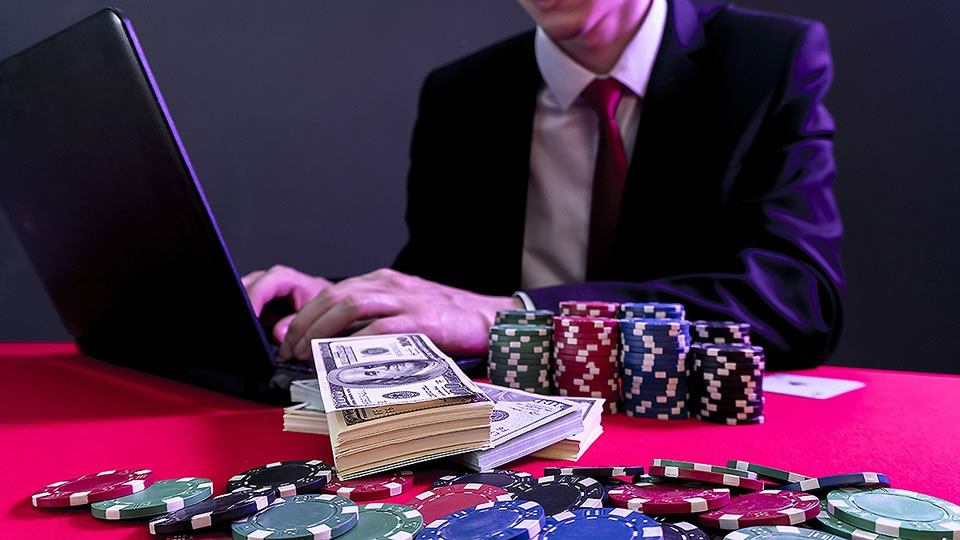
Furthermore, casinos employ various psychological tactics through sensory stimuli, such as enticing sounds that accompany wins or the visual appeal of colorful machines. These elements create a euphoric atmosphere that fosters continued play. The smells and sounds in gambling venues are designed to elicit specific emotional responses, making players more comfortable and willing to spend money. This careful orchestration of the casino environment plays a substantial role in maximizing player engagement and prolonging their time on the floor.
Cultural factors also influence how individuals perceive gambling environments. In some societies, gambling is viewed as a form of entertainment, while in others, it may be seen as taboo or vice. This cultural backdrop shapes individual behaviors and attitudes toward gambling. Understanding these cultural nuances is essential when examining the psychology behind casino gambling, as they provide context for why certain individuals may be more susceptible to the lure of gambling than others, informing responsible gaming initiatives and educational campaigns.
Conclusion and Resources for Responsible Gaming
The psychology behind casino gambling is a complex interplay of individual motivations, environmental factors, and social influences. Understanding these elements can help both players and operators develop strategies for responsible gaming. By recognizing the psychological triggers that can lead to excessive gambling behavior, initiatives can be established to promote awareness and encourage healthier gambling practices. It is essential to foster a culture of responsibility in gaming environments to mitigate the risks associated with gambling addiction.
Individuals grappling with gambling issues must seek out supportive resources that can provide assistance and guidance. Many organizations focus on educating gamblers about the risks, providing counseling services, and developing community support systems. Engaging with these resources can empower individuals to make informed decisions and encourage them to seek help if needed.
Ultimately, understanding the intricate psychology behind casino gambling not only aids in the prevention of gambling-related issues but also enhances the overall experience for those who wish to engage in gambling responsibly. By promoting a balanced approach to gaming, we nurture a healthier relationship with chance-based entertainment and ensure that it remains a source of enjoyment rather than a source of distress.
